Similar Posts
Cyber Resilience Act: Strengthening Digital Security for EU
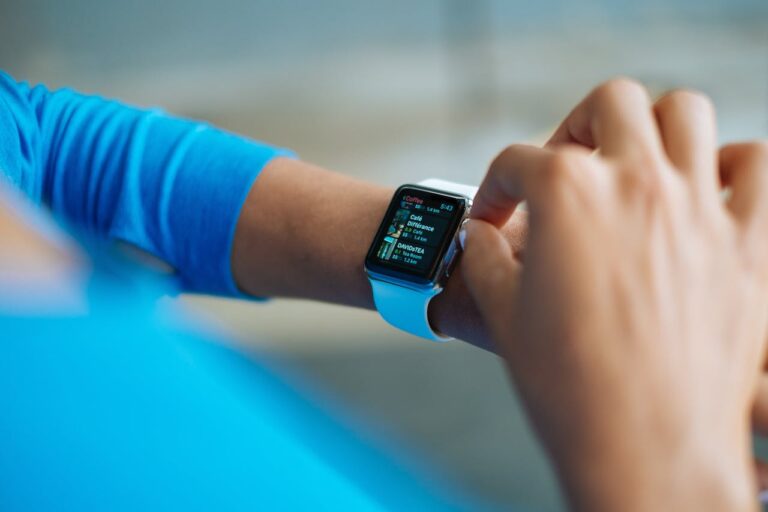
The Cyber Resilience Act (CRA) is a new EU regulation aimed at improving the cybersecurity of products that include digital elements—from everyday smart devices like baby monitors and smartwatches to more complex connected systems. These products are becoming increasingly common, yet many users remain unaware of the security risks they can pose. The CRA ensures that manufacturers and…
What is Cybercrime?
The RCMP defines cybercrime as any crime where a cyber element (that is, the internet and information technologies such as computers, tablets or smart phones) has a substantial role in the commission of a criminal offence. Under this broad lens, the RCMP breaks cybercrime into two categories: Technology-as-target Technology-as-instrument Technology-as-target In this category, the crime…
Reddit Lawsuit Challenges AI Training on User Data
Reddit has initiated legal proceedings against companies alleged to have scraped user-generated data from its platform without authorization. The lawsuit centers on the use of Reddit’s publicly accessible content to train large language models (LLMs), which Reddit claims violates its API terms of service and intellectual property rights. Reddit revised its API terms in 2023,…
EU Finds Meta’s ‘Pay or Consent’ Model Violates Digital Markets Act
The European Commission has issued preliminary findings, stating that Meta’s “pay or consent” advertising model breaches the Digital Markets Act (DMA). According to the Commission, this model forces users to either pay for an ads-free experience or consent to the combination of their personal data for personalized ads, without offering an equivalent less personalized alternative….
Technical Paper on Digital Twins and Cybersecurity Scenarios from ECSO
Digital twins are virtual representations of physical objects or systems that can be used for various purposes, such as monitoring, simulation, and predictive maintenance. In the context of cybersecurity, digital twins can be used to create cyber-physical systems that mimic real-world environments and help organizations identify vulnerabilities and potential threats. The European Cyber Security Organisation…